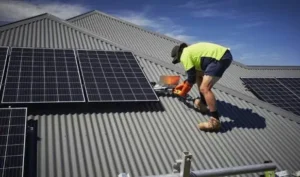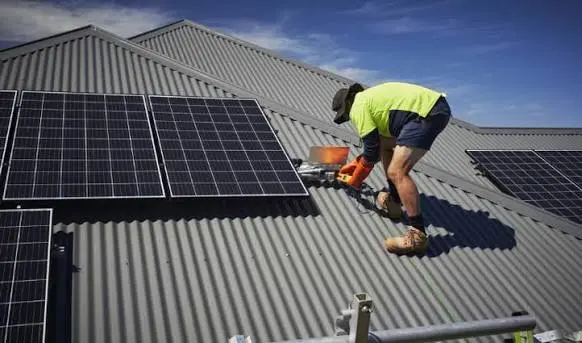
Solar can look like an easy decision for a business with a big electricity bill and plenty of roof space. Put panels on the roof, use less grid power, and watch the bills fall. In practice, a good commercial solar project starts well before anyone climbs a ladder.
The businesses that get the most from solar usually spend time understanding when they use electricity, how much usable space they have, and what they expect from the system over the next decade or two. Getting those details right can make the difference between a system that simply generates power and one that genuinely suits the way the business operates.
Start With How Your Business Uses Electricity
Two businesses can have similar monthly electricity bills but need very different solar systems.
A warehouse that operates from 7 a.m. to 5 p.m., for example, may consume most of its electricity while the sun is shining. A restaurant with heavy evening demand has a different load pattern. Looking only at the total amount spent each month misses that distinction.
Before choosing a system size, it’s useful to examine interval or smart meter data. This shows when electricity consumption rises and falls throughout the day.
The aim is generally to match solar generation with the periods when the business can actually use that electricity on site. Electricity consumed directly from the solar system reduces the amount that needs to be purchased from the grid.
That makes the business’s load profile one of the most useful starting points for planning a commercial installation.
Don’t Size the System From Roof Space Alone
A large roof doesn’t automatically mean you should fill every available metre with panels.
Roof area certainly matters, but system sizing should also consider daytime electricity consumption, seasonal changes, operating hours, available electrical infrastructure and the possibility that the business will use more power in the future.
Think about what’s likely to change over the next few years. Will the company add machinery? Expand its premises? Install EV chargers? Replace gas equipment with electric alternatives? Add air conditioning or refrigeration?
Those changes can affect how much solar generation makes sense.
For businesses considering commercial solar installation in Victoria, the assessment should therefore look beyond today’s electricity bill and consider how the site is expected to operate in the years ahead.
Check the Roof and Site Before Making the Numbers Work
Solar proposals often focus heavily on estimated generation and savings. The physical site deserves just as much attention.
Roof condition is an obvious place to start. Installing a long-life solar system on roofing that may need major repairs in a few years can create avoidable costs because panels may have to be removed and reinstalled.
The roof’s orientation, pitch and available space also affect system design. Nearby buildings, trees, vents and other rooftop equipment can create shading or limit where panels can be placed.
Commercial properties may introduce other complications. Warehouses and industrial buildings can have skylights, ventilation systems, access paths, fire-safety requirements and equipment that installers need to work around.
A proper site assessment helps identify these issues before installation rather than discovering them halfway through the job.
Understand What Happens to the Power You Generate
Solar electricity doesn’t automatically equal savings of the same value.
When the system is generating electricity and your business is consuming power at the same time, that solar generation can be used on site. If production exceeds consumption, the excess may be exported to the grid, subject to the site’s connection arrangements and network requirements.
This is why daytime usage matters so much.
Consider a workshop with machinery running throughout the working day. Much of its solar production may be consumed as it’s generated. Compare that with a facility that’s mostly empty during daylight hours and becomes busy at night. The second site may export a larger share of its daytime production.
Neither situation automatically makes solar unsuitable, but they can produce very different financial outcomes.
Decide Whether Battery Storage Has a Job to Do
Batteries get plenty of attention, but they shouldn’t simply be added because they’re available.
The better question is: what problem would the battery solve?
A business might want to store excess daytime solar for use later, reduce reliance on grid electricity at particular times, support certain operational goals, or improve how energy is managed across the site.
Other businesses may already consume most of their solar generation during operating hours. In that case, the financial case for storage needs to be assessed separately rather than assuming a battery belongs in every commercial solar project.
Look at actual consumption patterns first. Then compare how the site performs with solar alone against a solar-and-storage option.
Look Beyond the Upfront Quote
The cheapest installation isn’t necessarily the least expensive system to own.
Commercial solar is expected to operate for many years, so the proposal should be judged on more than the initial price. Equipment quality, warranties, installation standards, monitoring and after-sales support all matter.
Ask what happens after commissioning.
Who handles a fault if monitoring shows that part of the system isn’t performing correctly? What maintenance is recommended? Who deals with warranty claims? Is system performance easy for the business to monitor?
Documentation matters too. A commercial installation should leave the business with clear information about the equipment, system design, warranties and relevant approvals.
Saving money on the initial installation becomes less attractive if resolving a problem later turns into weeks of phone calls and uncertainty.
Consider Disruption to Normal Operations
For a home, solar installation may cause relatively little disruption. A commercial site can be more complicated.
There may be employees, customers, deliveries, machinery and contractors moving around the property throughout the day. Some electrical work may require planned interruptions, and roof access might affect certain areas of the premises.
Ask how the installation will be staged and whether any shutdowns are expected.
For a factory, even a short interruption at the wrong time could interfere with production. For a shop, the concern might be customer access. For a farm, installation may need to work around equipment movements or seasonal activities.
Planning these details early can make the installation much easier for everyone on site.
Treat Monitoring as Part of the System
Once the panels are installed, don’t forget about them.
Monitoring allows a business to see how much electricity the system is producing and, depending on the setup, how that generation relates to site consumption.
More importantly, monitoring can make unusual performance easier to spot.
If production suddenly drops, the problem might be obvious. Smaller changes can be harder to notice without data. A business could otherwise continue paying higher electricity bills without immediately realising that the solar system isn’t operating as expected.
Someone should know who is responsible for checking performance and what to do when the numbers look unusual.
A Good Solar Project Starts With Good Questions
Commercial solar isn’t simply a matter of choosing the largest system that fits on the roof. The useful questions come first: When does the business consume electricity? How might that change? Is the building suitable? How much solar power can be used on site? Does storage serve a clear purpose? What support is available after installation?
Answer those questions before focusing on panel numbers and headline savings.
A system designed around the actual property and the way the business operates has a much better chance of remaining useful long after the installation crew has left.
Also Read
- From Samples to Factory Acceptance: Keeping Custom Automation Decisions Clear
- Mrf Plastic Bottlenecks: A Plant-Level Guide for Public-Private Mrfs
- Can a Power Station Power a Home Office All Day?