A home can make a strong first impression in about thirty seconds. The kitchen looks great, the backyard has enough room, and you’re already deciding where the sofa will go. That’s exactly when it’s easy to stop looking critically.
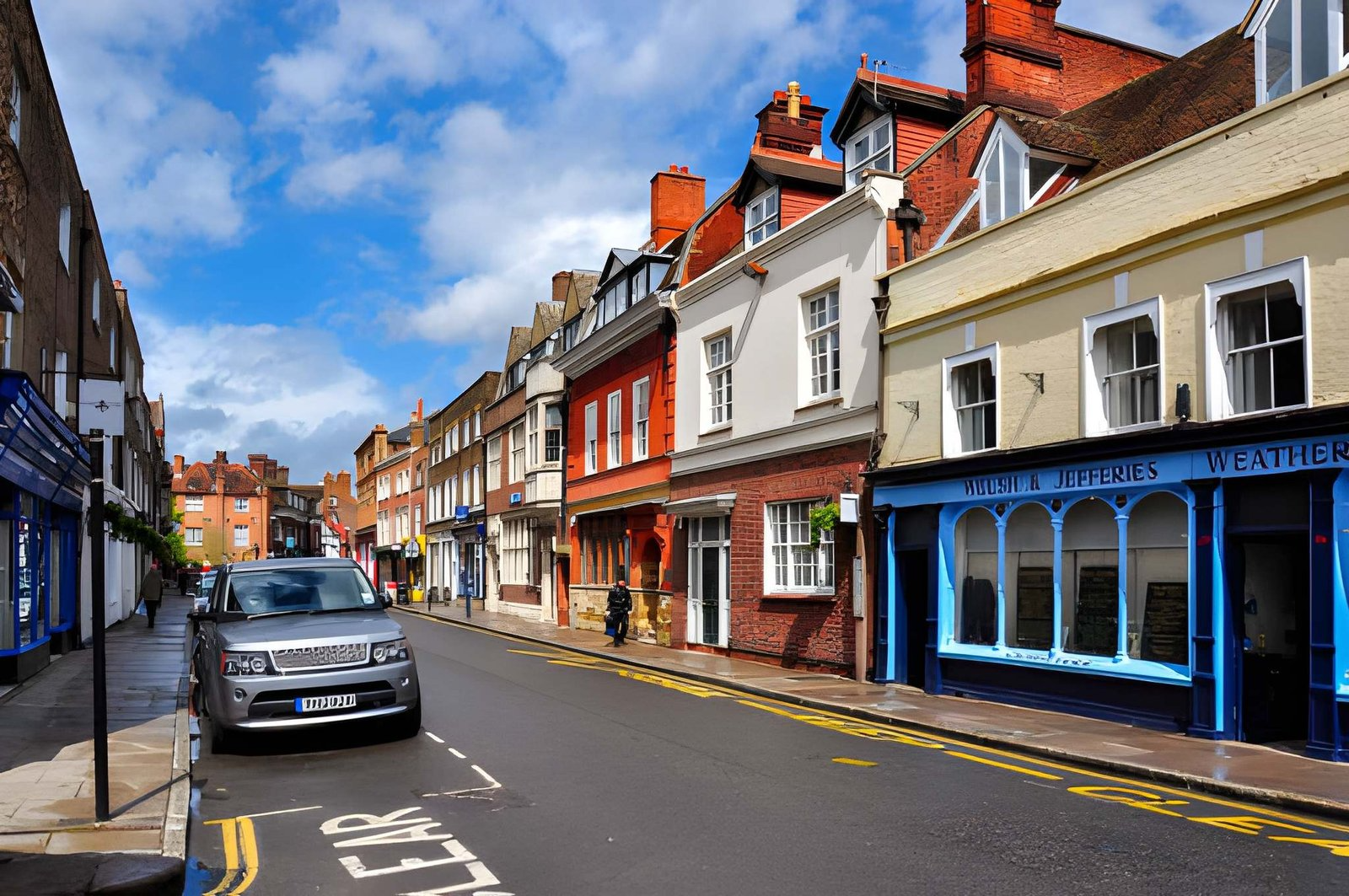
Buying in Windsor and the surrounding area calls for more than finding a property you like. The condition of the house, the neighbourhood, your financing, and even the property’s history can change whether a seemingly good purchase actually works for you.
Before you make an offer, there are a few things worth slowing down to check.
Start With the Property, Not the Décor
Fresh paint and a renovated kitchen are easy to notice. The expensive problems tend to be less photogenic.
When viewing a property, spend some time looking beyond the finishes. Walk around the exterior. Look at the basement. Pay attention to unusual smells and signs that something has been recently covered or repaired.
Check the Foundation and Basement
Older homes can offer plenty of character, but age also means you should pay close attention to their condition.
Look for cracks in foundation walls, noticeably uneven floors, moisture staining, and musty smells in the basement. A tiny cosmetic crack isn’t automatically a disaster, but larger or unusual cracks deserve professional attention.
Water is another concern. A basement that looks dry during your viewing may have had problems during heavy rain or snowmelt. Look for staining near the floor, recently painted patches, damaged baseboards, or evidence of previous waterproofing work.
None of these automatically mean you should walk away. They mean you should ask questions.
Don’t Treat the Home Inspection as an Afterthought
When buyers are worried about losing a property, removing conditions can seem like a way to make an offer more attractive. That decision can carry a lot of risk.
A professional inspection gives you information that a normal showing can’t. Inspectors can assess major components of the property and flag issues that deserve further investigation.
If you’re considering an offer with fewer conditions, talk through the consequences before signing anything. In some situations, buyers may arrange an inspection before submitting an offer rather than skipping it completely.
This is one area where having knowledgeable Windsor Real Estate Experts involved can help you understand the local buying process and the questions worth asking before committing to a property.
Look at the Electrical System
Electrical systems aren’t exciting, but they’re something buyers of older properties should investigate.
Some homes may contain older wiring or electrical panels. Even if everything appears to work during the showing, an outdated system could affect future renovations or insurance.
Ask when major electrical work was completed and whether permits are available when relevant. Your inspector can also identify visible concerns and recommend an electrician when something needs a closer look.
The important thing is knowing what you’re buying. An older electrical system isn’t necessarily a reason to reject a house, but discovering that it needs substantial work after you’ve moved in isn’t a pleasant surprise.
Find Out How Old the Roof Is
A roof can look perfectly acceptable from the driveway while being much closer to replacement than you’d expect.
Ask about its approximate age and whether there have been repairs. Look for missing or curling shingles and obvious patches. Inside the house, ceiling stains can indicate current or previous leaks.
You don’t need to diagnose the roof yourself. You’re simply trying to establish whether this could become a significant expense in the near future.
That matters when comparing properties. A slightly cheaper house that needs a roof, electrical work, and basement repairs may not actually be the cheaper option.
Understand the Real Monthly Cost
The purchase price gets most of the attention, but your mortgage isn’t the only cost of owning a house.
You’ll need to budget for property taxes, insurance, utilities, maintenance, and repairs. There are also costs connected with completing the purchase itself.
This is why your maximum mortgage approval shouldn’t automatically become your shopping budget.
Imagine you’re approved for a property at the upper edge of your price range. You buy it, move in, and then discover the furnace is approaching replacement age. A few months later, you need an unexpected plumbing repair.
Technically, you could afford the house. Practically, your budget suddenly feels uncomfortable.
Leave yourself some breathing room.
Visit the Neighbourhood More Than Once
You’re buying a location as much as a building.
A neighbourhood that feels quiet at 11 a.m. on Saturday may feel very different during weekday rush hour. If you’re seriously considering a property, visit the area at different times.
Check your commute. Walk around the block. Notice traffic and nearby businesses. Think about schools, parks, shopping, public transportation, and whatever else matters to your daily routine.
You should also consider where your life might be several years from now.
Maybe you don’t need an extra bedroom today, but you’re planning to work permanently from home. Maybe a long commute seems manageable now but could become frustrating after doing it every day.
A property should work for your actual life, not simply look good during a twenty-minute showing.
Research the Property’s History
Ask questions about the home’s past.
How long have the current owners lived there? Have major renovations been completed? Are permits available where required? Have there been previous water problems or significant repairs?
A history of renovations isn’t inherently concerning. In fact, properly completed improvements can be a major positive.
What you’re looking for is context.
A beautifully finished basement, for example, is much more reassuring when you understand when the work was completed and whether underlying moisture issues were addressed beforehand.
Separate Your Wants From Your Needs
Before attending multiple showings, write two lists.
Your first list contains things the property genuinely needs. That might include three bedrooms, a reasonable commute, enough parking, or a certain type of layout.
Your second list contains preferences. Maybe you’d love quartz countertops, a finished basement, or a huge backyard.
Keeping those lists separate helps when emotions enter the decision.
Otherwise, you can reject a structurally sound property because the kitchen isn’t your favourite colour, then fall in love with another house because it has beautiful finishes despite having several expensive problems hiding underneath.
Cosmetic features can usually be changed. Location and major structural characteristics aren’t nearly as flexible.
Know Your Limit Before Negotiations Begin
Decide what you’re comfortable spending before an offer becomes emotionally charged.
Your limit should reflect more than the property’s asking price. Consider expected repairs, monthly ownership costs, and how much money you’ll have available after closing.
Once you’ve spent hours viewing properties, it’s easy to become attached to one. That’s when buyers can start rationalizing numbers they wouldn’t have accepted earlier.
Setting your limit beforehand gives you something objective to fall back on.
If negotiations move beyond that point, walking away doesn’t mean you’ve lost. It means you’ve followed the financial boundary you established when you were thinking clearly.
A Good Purchase Starts Before the Offer
Finding a house you genuinely like is exciting, and it should be. Just don’t let that excitement replace the boring checks that protect you from expensive surprises.
Look beyond the finishes. Ask about the property’s history. Understand the condition of major systems, get appropriate professional inspections, and calculate what ownership will actually cost each month.
Then look outside the property itself. Spend time in the neighbourhood and think about whether the location and layout will still suit you several years from now.
The goal isn’t to find a flawless house. Those are pretty rare. It’s to understand the strengths, compromises, and potential costs of a property before your name appears on the paperwork.
Read more: When Specialist Palliative Care at Home Makes Sense
When Should You Stop Handling a Legal Problem Yourself?
Are Outdoor Blinds Worth It? An Honest Answer