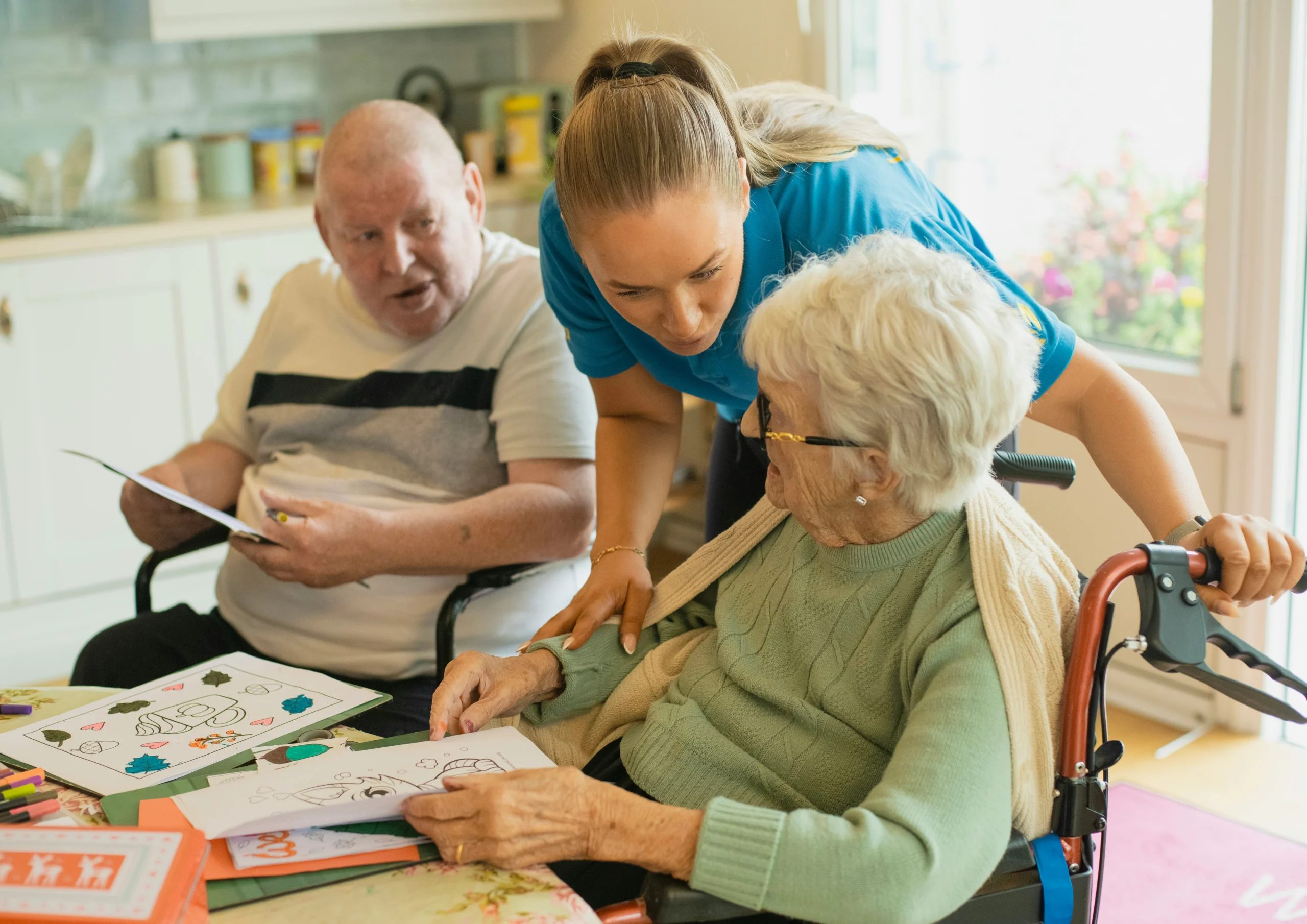
For many people living with a life-limiting condition, home is where they feel most comfortable. It’s familiar. Family is close by, daily routines don’t completely disappear, and there’s a sense of privacy that can be difficult to recreate in a clinical setting.
But staying at home doesn’t mean managing everything alone. As symptoms change or care becomes more demanding, families may need professional help with pain management, personal care, medication, mobility, and emotional support. That’s where home-based palliative care can become an important part of the care plan.
Palliative Care Isn’t Only About the Final Days
One of the biggest misconceptions about palliative care is that it begins only when someone is approaching the final days of life. In reality, palliative care can be introduced earlier for someone living with a serious or life-limiting condition.
The goal is comfort and quality of life.
That might mean helping manage pain, breathlessness, nausea, fatigue, anxiety, or other symptoms that interfere with everyday activities. It can also mean helping someone maintain as much independence as their condition allows.
Receiving that support at home can make a significant difference because the person doesn’t have to leave familiar surroundings every time they need assistance.
What Changes When Care Happens at Home?
Home-based care shifts much of the person’s everyday support into an environment they already know.
Instead of organising daily life around a facility, care can be planned around the person’s needs and routines. A person might need help getting dressed in the morning, assistance moving safely around the house, medication support, or clinical monitoring.
The level of assistance won’t necessarily remain the same.
Someone may initially require only occasional support. If their condition progresses, the frequency and type of care may need to change. This is why regular communication between the person, family, nurses, doctors, and other health professionals matters.
For families considering specialist palliative care at home, it’s useful to think beyond the immediate medical requirements and consider how much practical and emotional support will be needed to make staying at home realistic.
Comfort Goes Beyond Pain Management
Pain control is an important part of palliative care, but comfort has a much wider meaning.
Managing Physical Symptoms
People with life-limiting conditions may experience symptoms that change over time. Depending on the person’s condition, care may involve monitoring symptoms, administering prescribed medication, helping with positioning, or communicating changes to the appropriate medical professionals.
Even relatively small adjustments can matter. Changing someone’s position in bed, helping them sit comfortably, or assisting with hygiene can make an ordinary day noticeably easier.
Maintaining Personal Dignity
Tasks that once seemed simple can become difficult when a person’s strength or mobility declines.
Bathing, dressing, grooming, using the bathroom, and moving between a bed and chair may require assistance. Having trained support for these tasks can help the person remain comfortable while protecting their privacy and dignity.
The way this assistance is provided matters just as much as the task itself. People should still have choices about their routine wherever possible.
Families Need Support Too
Home palliative care often involves relatives or close friends taking on significant responsibilities.
They may help prepare meals, keep track of appointments, provide companionship, communicate with healthcare professionals, or simply remain nearby when the person doesn’t want to be alone.
That responsibility can become physically and emotionally tiring.
Professional home support can share some of that workload. It may also give family members time to rest, work, sleep, or spend time with their loved one without constantly acting as the primary caregiver.
There’s an important difference between being someone’s daughter, husband, brother, or friend and becoming their round-the-clock carer. Families shouldn’t have to lose the first relationship completely because the second has become overwhelming.
Planning for Changing Care Needs
A care arrangement that works today might not be enough several weeks or months from now.
That’s normal.
Planning ahead allows families and care teams to discuss what should happen if symptoms become more difficult to manage or the person’s mobility declines.
Useful conversations may cover:
- Who should be contacted when symptoms suddenly change?
- What support is available outside normal hours?
- Which daily tasks already require assistance?
- Are there mobility or safety concerns inside the home?
- Who will coordinate with doctors and other healthcare professionals?
- What are the person’s preferences if their care requirements increase?
Having these conversations early can reduce rushed decisions later.
The Importance of Coordinated Care
Palliative care frequently involves more than one professional.
A person’s GP and medical specialists may remain involved while nurses and support workers provide care in the home. Depending on individual circumstances, allied health professionals may also contribute.
Communication between everyone becomes especially important when medications, symptoms, or care requirements change.
Families shouldn’t be expected to piece together conflicting instructions from several different people. Clear responsibilities help everyone understand who is handling clinical decisions, everyday personal assistance, medication support, and other parts of the care plan.
Good coordination also makes it easier to notice changes early. A support worker assisting someone every day, for example, may notice that eating has become more difficult or that the person suddenly needs more help walking. That information can then be passed to the appropriate clinical professional.
Is Staying at Home Always the Right Choice?
Not necessarily.
Home can be a preferred setting, but the decision needs to reflect the person’s actual care requirements and the support available.
Some symptoms or medical situations may require hospital or inpatient treatment. Family circumstances can change too. A relative who was previously able to provide regular assistance may become unavailable or simply reach a point where the physical demands are too great.
Choosing another care setting when needs change doesn’t mean the original home-care plan failed.
The better question is whether the current arrangement remains safe, comfortable, and consistent with the person’s preferences.
Making Home Feel Like Home
There’s a practical side to home-based palliative care that can easily be overlooked.
Once medical equipment and care routines enter the house, a familiar bedroom can quickly begin to feel clinical. Some equipment may be necessary, but families can still preserve the small things that make the space personal.
Keep favourite photographs nearby. Let the person choose where they’d prefer to spend the day when possible. Maintain familiar routines that still bring comfort, whether that’s watching a particular television program, sitting near a window in the afternoon, or having family around at certain times.
Palliative care is concerned with how someone lives while receiving care, not simply where that care takes place.
Choosing Care Around the Person
The strongest home palliative care arrangements start with the individual rather than a fixed schedule of services.
Two people with similar diagnoses can have very different priorities. One may value privacy and want minimal interruption during the day. Another may feel safer with frequent support and family nearby. Those preferences can change as well.
That’s why conversations about care should continue rather than happen once.
For someone who wants to remain at home, specialist support can help make that preference practical by addressing clinical needs, personal care, comfort, and the pressures placed on family caregivers. The aim isn’t to turn a home into a hospital. It’s to bring appropriate care into a familiar place while allowing the person to retain as much comfort, choice, and dignity as possible.
Read more: When Should You Stop Handling a Legal Problem Yourself?
Are Outdoor Blinds Worth It? An Honest Answer
Understanding Crypto Brokers: Key Roles and Revenue Models