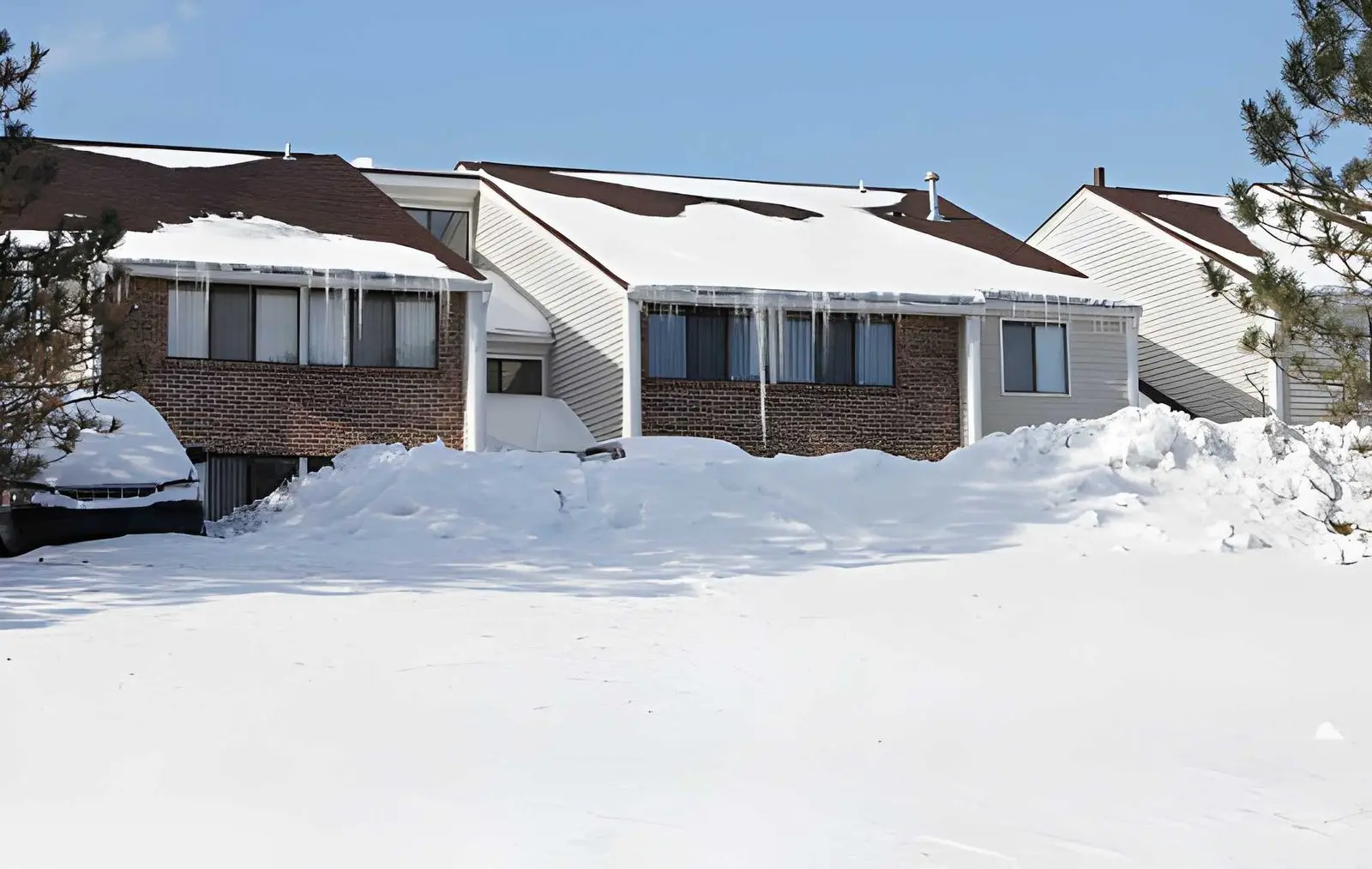
During the winter months, many homeowners notice that snow seems to melt at different rates on various houses, even within the same neighborhood. This uneven snow melt can be puzzling and sometimes concerning, as it may indicate underlying issues with a home’s structure or insulation. Understanding the reasons behind this phenomenon is important for maintaining the integrity of your home and ensuring energy efficiency. Factors such as roof design, insulation quality, attic ventilation, and even the orientation of the house all play significant roles in how snow behaves on rooftops. Recognizing these factors can help homeowners address potential problems before they escalate.
What Causes Uneven Snow Melt?
The Role of Roof Insulation
One of the primary reasons snow melts unevenly on homes is the quality and distribution of roof insulation. When a roof is properly insulated, it prevents heat from escaping the living spaces below and reaching the roof deck. This keeps the roof surface cold, allowing snow to remain in place longer. However, if insulation is lacking or unevenly distributed, warm air from inside the house can escape through the attic and heat certain areas of the roof. This causes snow to melt faster in those spots, leading to patchy or streaky patterns of snow melt. Over time, this can contribute to the formation of ice dams, which can damage shingles and gutters. Homeowners should periodically check their attic insulation to ensure it is evenly spread and meets recommended standards for their climate zone. Addressing insulation issues not only helps with snow melt but also improves overall energy efficiency and comfort inside the home.
Attic Ventilation and Its Impact
Attic ventilation is another crucial factor influencing how snow melts on a roof. Proper ventilation allows cold air to circulate through the attic, keeping the roof surface at a temperature closer to the outside air. This helps maintain a consistent layer of snow on the roof. In contrast, poor ventilation can trap warm air in the attic, causing certain areas of the roof to heat up and melt snow unevenly. This is especially common in older homes or those with blocked or inadequate vents. Homeowners may notice that snow melts more quickly near the ridge or in specific sections of the roof, which can be a sign of ventilation problems. Consulting a Roofing Company Mishawaka can help identify and resolve these issues, ensuring that your attic has the right balance of intake and exhaust vents. Proper ventilation not only prevents uneven snow melt but also reduces the risk of moisture buildup and mold growth in the attic space.
Sun Exposure and Roof Orientation
The orientation of a home and the amount of sunlight it receives can significantly affect how snow melts on the roof. Homes with roofs that face south or west tend to receive more direct sunlight during the day, which naturally warms the roof surface and accelerates snow melt. Conversely, roofs that are shaded by trees, neighboring buildings, or face north may retain snow for longer periods. The angle and pitch of the roof also play a role, as steeper roofs shed snow more quickly, while flatter roofs allow snow to accumulate and melt more slowly. These natural factors are often beyond a homeowner’s control, but understanding them can help explain why snow behaves differently on various homes. In some cases, trimming overhanging branches or adjusting landscaping can increase sun exposure and promote more even snow melt, but the primary influence remains the orientation and design of the roof itself.
Quick Look: Roof Color and Material
The color and material of a roof can also influence how quickly snow melts. Darker roofing materials absorb more heat from the sun, causing snow to melt faster, while lighter colors reflect sunlight and keep the roof cooler. Metal roofs tend to shed snow more efficiently than asphalt shingles, which can lead to differences in snow accumulation and melting patterns between homes.
Heat Loss from Chimneys and Vents
Chimneys, plumbing vents, and other roof penetrations can be sources of localized heat loss, contributing to uneven snow melt. When warm air escapes through these openings, it can create hot spots on the roof where snow melts more rapidly. This is often visible as bare patches or streaks around chimneys and vent pipes, even when the rest of the roof remains covered in snow. Ensuring that these penetrations are properly sealed and insulated can help minimize heat loss and promote more uniform snow coverage. Homeowners should also be aware that excessive heat loss through these areas can indicate broader issues with air sealing and insulation in the home. Addressing these problems not only helps with snow melt but also improves energy efficiency and reduces heating costs during the winter months.
The Importance of Regular Roof Maintenance
Regular roof maintenance is essential for preventing issues related to uneven snow melt. Over time, roofs can develop leaks, damaged shingles, or clogged gutters, all of which can contribute to heat loss and water damage. Inspecting the roof before winter sets in allows homeowners to identify and address potential problems early. Cleaning gutters ensures that melting snow and ice can drain properly, reducing the risk of ice dams and water infiltration. Repairing damaged shingles or flashing helps maintain the integrity of the roof and prevents warm air from escaping. Scheduling routine inspections and maintenance can extend the lifespan of the roof and protect the home from costly repairs. Homeowners should also be proactive in addressing any signs of uneven snow melt, as this can be an early warning sign of underlying issues that need attention.
Conclusion
Uneven snow melt on homes during winter is a common occurrence influenced by a combination of factors, including insulation quality, attic ventilation, roof orientation, sun exposure, and roof materials. While some of these factors are related to the design and location of the home, others can be addressed through regular maintenance and improvements to insulation and ventilation. Paying attention to how snow behaves on your roof can provide valuable insights into the overall health and efficiency of your home. By taking steps to address any issues that arise, homeowners can protect their property, improve energy efficiency, and ensure a safer, more comfortable living environment throughout the winter season.
Also Read-Choosing the Right Iron Boundary Design for Your Home