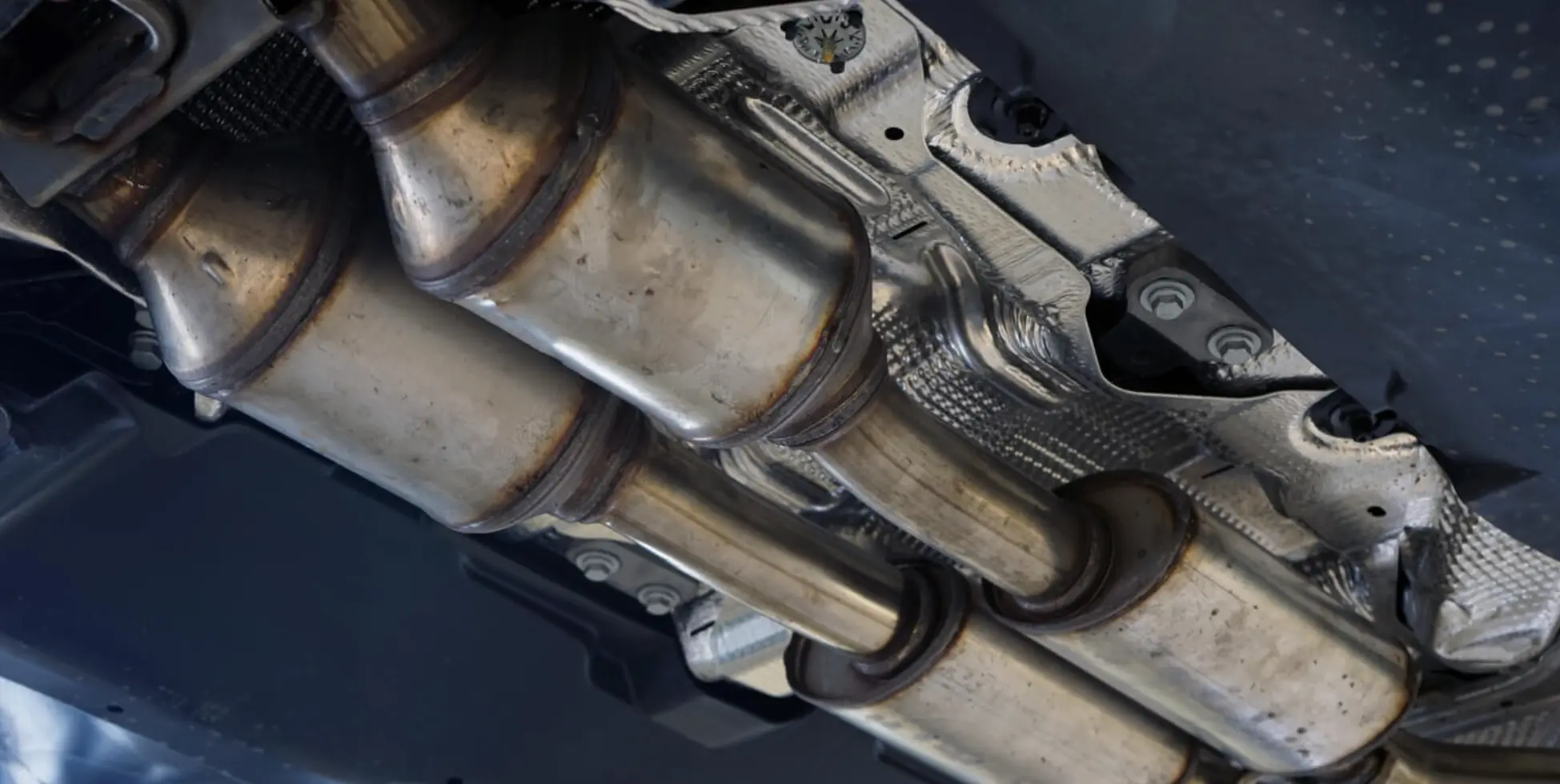
At first glance, two catalytic converters may look almost identical. They might come from vehicles of the same brand, have similar sizes, and even show the same level of wear. Yet one could be worth several times more than the other. This often surprises vehicle owners who expect pricing to be based only on appearance or weight.
If you’ve ever wondered how much is a catalytic converter worth, the answer is more complex than many people realize. The value depends on what’s inside the converter rather than how it looks on the outside. Understanding these factors can help sellers make informed decisions and avoid accepting offers that don’t reflect the true value of their part.
The Precious Metals Inside
The primary reason catalytic converters have value is that they contain platinum, palladium, and rhodium. These precious metals help reduce harmful emissions by converting pollutants into less harmful gases before they leave the exhaust system.
However, not every catalytic converter contains the same amount of these metals. Some models were designed with higher concentrations to meet stricter emissions standards, making them significantly more valuable on the recycling market.
Vehicle Make and Model Matter
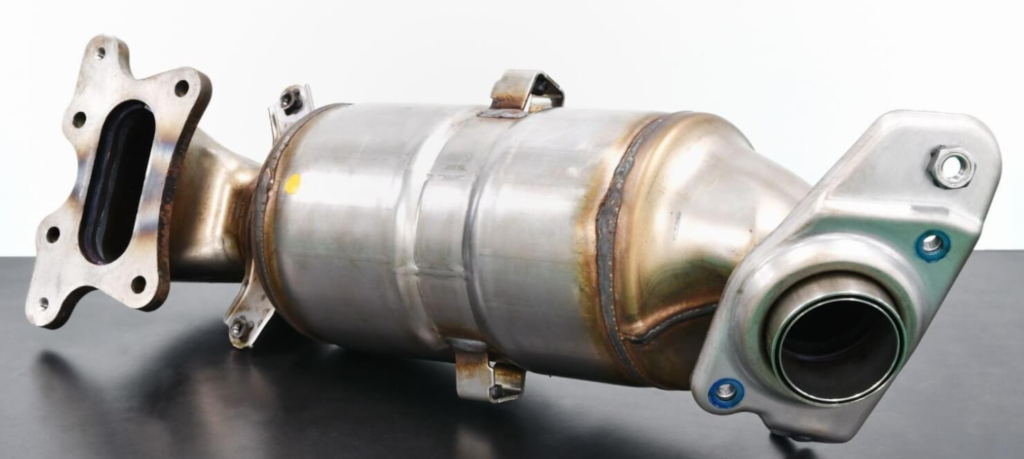
Manufacturers use different catalytic converter designs depending on the vehicle’s engine size, fuel type, and emissions requirements. For example, converters from certain trucks, luxury vehicles, or hybrid models may contain more recoverable precious metals than those found in smaller passenger cars.
This is why two converters that appear nearly identical can have very different market values.
Identification Is More Important Than Appearance
Professional buyers rarely estimate a converter’s value by looking at it alone. Instead, they rely on serial numbers or part numbers stamped on the housing. These identifiers provide information about the converter’s specifications and help determine the amount of valuable material it may contain.
A converter with cosmetic damage may still be worth more than one in perfect condition if it contains a higher concentration of precious metals.
Market Conditions Also Influence Pricing
The prices of platinum, palladium, and rhodium change regularly on global commodity markets. As these metals become more or less valuable, catalytic converter prices move accordingly. This means the same converter may receive different offers at different times of the year.
Final Thoughts
Catalytic converter pricing involves much more than appearance. The combination of precious metal content, vehicle application, identification numbers, and current market conditions all influence its value. Before selling, it’s worth learning about your specific converter and comparing offers from reputable buyers. A little research can make a significant difference and help ensure you receive a price that accurately reflects its true worth.
Also Read
- Things to Look for When Purchasing a Used Car
- Innovative Automotive Design: A Fusion of Technology and Creativity
- Enhance Your Business English for the Dental Industry