Fabrication facilities often purchase a heating chamber based purely on internal sheet metal dimensions, discovering too late that their biggest structural frames bump into interior walls. True curing space involves a strict thermodynamic envelope where forced heated air circulates freely around every metallic surface. Miscalculating this operational boundary leaves expensive powder coatings sticky on bottom edges while creating severe production bottlenecks across the shop.
Usable Thermal Space vs. Total Interior Chamber Dimensions
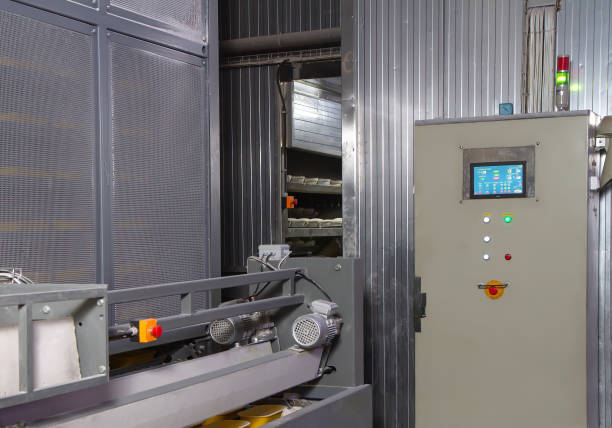
Blueprint dimensions stamped on equipment specification sheets never match the genuine volume where painters can cure industrial metal goods. Standard commercial powder coating ovens lose several inches of productive width and height to air circulation plenums, floor guide tracks, and roof exhaust channels. Air velocities near perimeter sheet metal drop sharply, creating cold boundary pockets where heavy structural steel struggles to reach crosslinking temperatures. Smart plant estimators subtract at least six to twelve inches from every interior plane to determine the actual cubic zone receiving uniform thermal convection.
How Much Wall and Floor Clearance Do Curing Parts Actually Need?
Maintaining adequate space between raw steel assemblies and interior walls shields wet powder from scorching against radiant heater panels. Heavy structural weldments positioned too close to side walls absorb irregular radiant energy, causing gloss inconsistencies or blistering across exterior faces. Running a Reliant industrial powder coating oven with eight to ten inches of perimeter clearance guarantees that circulating air envelopes the workpiece evenly. Floor zones demand even greater spatial separation because cold concrete slabs draw heat downward away from low-hanging parts.
Bottom clearance of twelve to eighteen inches prevents cooler air pooling along the floor from starving lower brackets of soak temperatures. Grounding cables, cart wheels, and structural transport bases also occupy valuable lower air layers, redirecting convection patterns away from primary product surfaces. Clean air return paths must remain unblocked so circulation fans pull cooler air smoothly back into the heater box for reheating. Providing ample clearance on all four sides eliminates finish rejects and guarantees that every batch achieves specified hardness without secondary bake cycles.
Factoring in Overhead Tracks, Hanger Drop, and Rolling Cart Profiles
Vertical envelope calculations collapse the moment operators forget to subtract the overhead beam, trolleys, swivel hooks, and custom hanging fixtures. Swivel attachments and load bars readily consume sixteen to twenty-four inches of vertical ceiling space before metal connects to a hanger. Mobile cart systems similarly chew through lower chamber volume, requiring structural wheel casters that elevate part frames well into the heating zone. Precision-built Reliant powder curing ovens account for these material handling systems by aligning intake ductwork above trolley lines and beneath cart decks. Measuring total part drop from the top wheel bearing down to the lowest structural flange protects shop ceilings from accidental mechanical jambs.
Ductwork and Burner Setbacks: Avoiding Direct Airflow Blast Zones
High-velocity supply air exiting wall nozzles carries concentrated heat that can blow uncured powder right off delicate corners. Direct convective jet streams overheat thin sheet metal sections while failing to heat the shaded structural bulk hidden behind them. Premium Reliant powder coating equipment incorporates specialized airflow diffuser louvers designed to spread discharge energy smoothly across wide loading spans. Establishing a mandatory setback zone of at least twelve inches from supply grilles shields fragile electrostatically charged coatings from turbulence
Burner firing chambers also require dedicated thermal buffers to prevent radiant flash from scorching nearby painted panels. Factory-engineered Reliant powder coating ovens position combustion tubes behind insulated baffle walls so only conditioned, blended air enters the workspace. Shielded airflow paths stop localized hot spots from forming near upper burner discharges during peak firing cycles. Balanced air distributions ensure that delicate items cure at the exact same rate as thick steel plates resting deeper in the chamber.
How Part Sway and Conveyor Turns Change Your Envelope Needs
Overhead conveyors carry momentum that causes hanging components to swing like pendulums as trolleys round track curves or hit stop-and-go transfer points. Long weldments oscillate outward during directional transitions, which expands the real-time physical profile beyond resting static measurements. Advanced Reliant powder coating systems account for dynamic load movement by expanding turn radii and incorporating rigid anti-sway guide rails inside preheating vestibules. Allowing six inches of dynamic clearance around moving parts stops wet powder coats from bumping into door frames, baffles, or adjacent parts. Unchecked part collisions wipe off fragile powder coatings instantly, dumping loose dry pigment into the burner box and contaminating following production runs.
Spacing Density: Sizing the Envelope for Full Batches Rather Than Single Parts
Hanging individual components inside an empty heating box creates an unrealistic picture of thermal performance and airflow circulation. Crowded production racks choke natural convection paths, forcing hot air to deflect around outer perimeters while leaving interior items starved of heat. Prospective buyers evaluating a Reliant powder coating oven for sale must size chamber dimensions around realistic production loads rather than single parts. Preserving three to four inches of open airspace between adjacent parts allows circulating air currents to flow cleanly across nested geometry. Staggering hanging heights on multi-part load trees prevents upper pieces from shading lower items from vertical airflow drops.
Adding thermal mass to a batch directly extends the time required for metal surfaces to reach curing temperatures. Reviewing industrial Reliant powder coating equipment for sale allows production managers to pair high-output burner packages with generous chamber profiles that handle heavy batch densities. Adequate spatial spacing prevents massive heat sinks from creating localized cold pockets that derail daily production schedules. Optimized density configurations yield maximum square footage per gas therm without compromising resin crosslinking integrity across the entire rack.
What Are the Real Risks of Cramming Parts Outside the Working Envelope?
Squeezing oversized fabrications beyond the proven curing boundary inevitably triggers severe surface defects, customer rejections, and expensive warranty claims. Components jammed against cold floor zones or exterior access doors consistently suffer from undercure, leaving brittle finishes that peel, crack, and fail basic solvent rub tests. Overcrowded parts also risk brushing against hot ductwork, transferring melted resin onto bare metal housings while filling the facility with acrid chemical smoke. Investing in an engineered Reliant powder coating equipment package eliminates these operational hazards by matching curing volume, burner horsepower, and handling equipment directly to facility production goals. Finishing professionals preparing to upgrade capacity or bring coating operations in-house can partner with Reliant Finishing Systems to configure custom curing enclosures tailored specifically to their parts, output volume, and spatial constraints.
Read more: https://englishsharpmind.com/choosing-between-standard-and-custom-components-for-equipment/
https://englishsharpmind.com/what-is-the-best-way-to-invest-in-crude-oil/