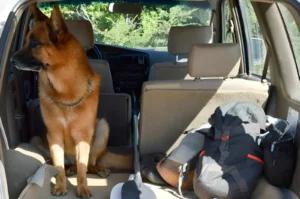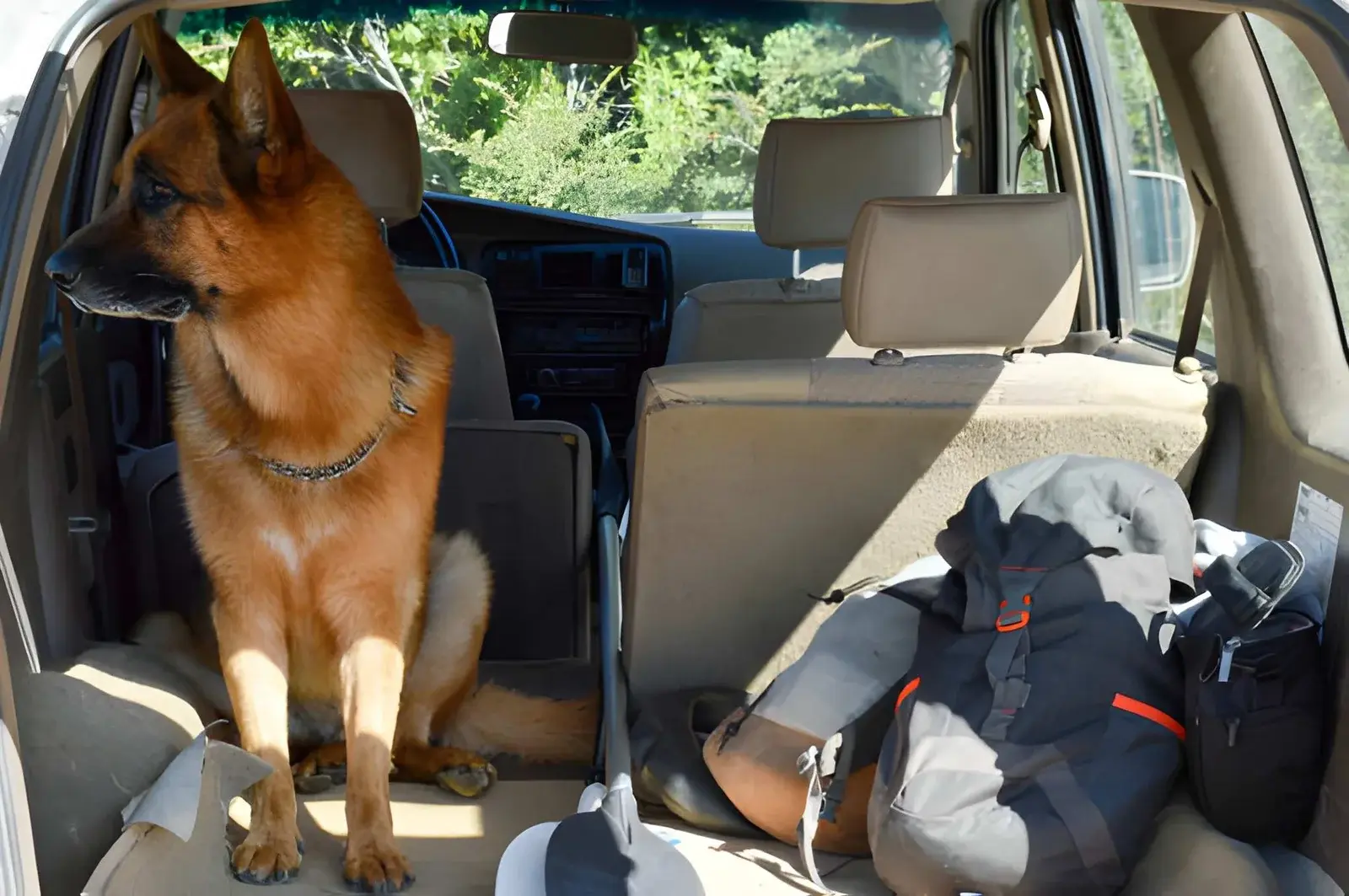
Australians love their pets just as much as they love their utes. With an estimated 73 percent of households owning a pet and dogs residing in nearly half of all homes, it is no surprise that taking our four-legged mates on weekend adventures is a massive part of the local lifestyle. Whether you are heading to a remote camping spot in the bush, taking a coastal drive, or simply visiting a local dog beach, having your best mate along for the ride makes the trip complete. At the same time, four-wheel drive utes continue to dominate the Australian light commercial vehicle market, with over 203,000 new units sold recently in a single year. Combining these two passions means that setting up your vehicle for safe and comfortable pet travel is incredibly important. Getting your rig ready for a dog requires a few smart modifications to ensure they stay secure, cool, and happy on the road.
Legal and Welfare Requirements for Travelling Dogs
Transporting dogs on the back of a ute involves strict legal and animal welfare obligations. A dog left in a poorly ventilated vehicle can suffer heatstroke rapidly. The RSPCA has frequently highlighted that on a mild 22-degree day, the temperature inside a vehicle or unventilated canopy can rapidly climb to over 47 degrees. This extreme heat causes fatal distress to travelling pets in a matter of minutes. Furthermore, veterinary clinics warn that older dogs, overweight pets, and flat-faced breeds are particularly susceptible to heat stress and require high-airflow environments. You must prioritise proper ventilation when planning any vehicle modifications for your pets.
State laws reflect these significant dangers, and failing to secure your dog properly can result in massive fines under animal care acts. According to official guidelines from Agriculture Victoria, owners must ensure their pets are correctly restrained, stating that dogs travelling on utes must be securely tethered or placed in a properly sized, well-ventilated cage directly behind the cabin to minimise exposure to dust and wind. Different states may have slight variations in their road rules, but the overarching principle remains identical across Australia. Your pet must be safe from falling out, protected from the elements, and shielded from sudden braking or sharp turns.
Choosing the Right Transport Enclosure
When it comes to upgrading your tray, not all enclosures are created equal. State animal welfare branches often warn that exposed metal ute trays act like hotplates in the sun, which can cause severe blistering to a dog’s paws. Traditional mild steel enclosures might seem tough, but they are heavy and prone to rust, especially if you spend your weekends camping near the beach or tackling muddy tracks. Instead, many off-road enthusiasts choose purpose-built marine-grade aluminum dog boxes for their lightweight profile and superior heat dissipation. These specialised enclosures offer unparalleled resistance to rust and corrosion in harsh coastal or bush environments while maintaining a safe ambient temperature for your dog. They are specifically designed with Australian conditions in mind, offering a rugged exterior that can handle wayward branches and flying gravel on outback tracks.
Upgrading to a high-quality transport enclosure provides several clear advantages for both you and your pet:
- Optimal Airflow: Integrated heavy mesh ventilation meets government welfare requirements for airflow while simultaneously protecting your dog’s eyes and ears from flying track debris.
- Weight Efficiency: A lightweight metal construction helps preserve your 4×4’s payload capacity and maintains better fuel efficiency during long highway drives.
- Weather Protection: A well-designed box offers a shaded, secure environment that shields your dog from harsh sun, sudden rain, and cold winter winds.
- Tray Organisation: Many options come with divided sections, allowing you to safely secure your dog on one side while keeping your recovery gear, camping equipment, and tools locked away on the other side.
Keeping the Interior and Exterior Fresh
Taking your dog on muddy off-road trips or sandy beach runs inevitably brings a bit of the great outdoors back into your vehicle. Between paw prints, shedding hair, and dirt splashed across the exterior, travelling with pets can lead to a messy 4×4. Even if your dog rides in an external enclosure on the tray, they will inevitably shake off dirt, sand, and mud when it is time for a rest stop, often leaving a mess near the doors and wheels. Fortunately, it pays to stay on top of vehicle upkeep to preserve your investment.
Rather than waiting for a massive deep clean, performing quick exterior and interior touch-ups will keep your vehicle looking fresh after every adventure. Incorporating regular car maintenance into your post-trip routine not only protects your paintwork and interior upholstery but also ensures a hygienic space for your next journey. Keeping a small cleaning kit with interior wipes, a portable vacuum, and microfibre towels makes this process completely effortless. Spraying down the tray and dog box will prevent corrosive mud and salt from deteriorating the metal over time.
Hitting the road with your best mate is one of the greatest joys of owning a 4×4. By prioritising proper ventilation, investing in a secure transport enclosure, and maintaining your vehicle after a messy trip, you can explore the outdoors with absolute peace of mind. Prepare your vehicle correctly, and every weekend getaway will be safe, comfortable, and memorable for both you and your canine companion.
Also Read
- From Samples to Factory Acceptance: Keeping Custom Automation Decisions Clear
- Mrf Plastic Bottlenecks: A Plant-Level Guide for Public-Private Mrfs
- Can a Power Station Power a Home Office All Day?