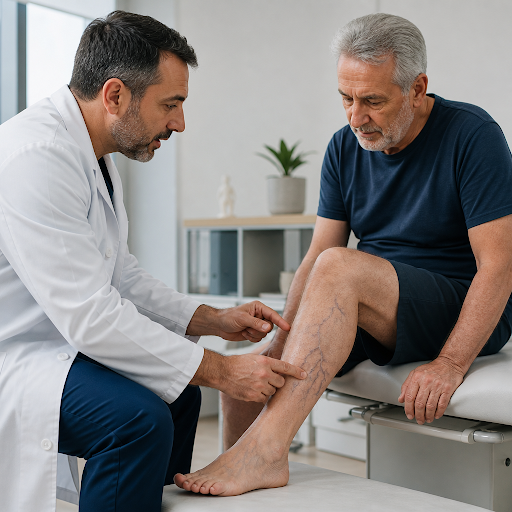
Varicose veins are more than a cosmetic concern. For millions of people worldwide, these twisted, bulging veins signal an underlying circulatory issue that, if left unaddressed, can progress into serious medical complications. Yet despite the prevalence of the condition, many patients delay seeking care simply because they are unsure where to begin. Understanding which specialist to see, what questions to ask, and what treatment options exist can make the difference between early intervention and long-term vascular damage.
Understanding Varicose Veins: More Than a Surface Problem
Varicose veins develop when the valves inside the veins weaken or fail, causing blood to pool rather than flow efficiently back to the heart. This pooling creates the characteristic swollen, rope-like appearance most commonly seen in the legs. While many people associate varicose veins with aging or prolonged standing, the condition can affect individuals across a wide range of ages and lifestyles. Genetics, pregnancy, obesity, and sedentary habits all contribute to the risk.
Symptoms extend well beyond appearance. Patients frequently report aching, heaviness, throbbing, and cramping in the affected limbs. In more advanced cases, skin discoloration, ulceration, and blood clot formation can occur. These complications underscore why early medical evaluation is essential rather than optional.
Identifying the Right Specialist for Vein Conditions
One of the most common points of confusion for patients is determining which doctor to consult for varicose veins. The answer depends on the severity of the condition and the type of treatment being considered. In most cases, patients are best served by consulting a vascular surgeon or a phlebologist — a physician who specializes specifically in vein disorders. Interventional radiologists are also frequently involved in minimally invasive vein treatments. A general practitioner can serve as a useful starting point, but they will typically refer patients to one of these specialists for comprehensive evaluation and management.
Vascular Surgeons
Vascular surgeons are trained to diagnose and treat conditions affecting the blood vessels, including arteries and veins. They are equipped to handle both conservative management and surgical interventions, making them an excellent choice for patients with moderate to severe varicose veins. Their expertise covers procedures ranging from endovenous laser ablation to traditional surgical stripping when necessary.
Phlebologists
Phlebologists focus exclusively on vein health. Their specialized training allows them to offer a nuanced approach to diagnosis and treatment, particularly for patients whose conditions fall in the mild to moderate range. Sclerotherapy, compression therapy, and ultrasound-guided procedures are among the tools commonly used in phlebology practice.
Interventional Radiologists
Interventional radiologists use imaging technology to guide minimally invasive procedures inside the body. For varicose veins, they may perform radiofrequency ablation or endovenous laser therapy — both of which close off damaged veins without the need for open surgery. These procedures have become increasingly popular due to their shorter recovery times and reduced risk profiles.
The Diagnostic Process: What to Expect at Your First Appointment
A thorough initial consultation typically includes a physical examination and a duplex ultrasound scan. The ultrasound allows the physician to visualize blood flow in real time, identifying which veins are affected and the extent of valve dysfunction. This imaging is non-invasive and painless, yet it provides critical information that shapes the entire treatment plan.
Patients should come prepared to discuss their full medical history, including any family history of vein disease, previous pregnancies, current medications, and lifestyle factors. The more information a specialist has, the more precisely they can tailor a treatment approach to the individual’s needs.
Treatment Options: From Conservative to Interventional
Not every case of varicose veins requires a procedure. For mild presentations, lifestyle modifications and compression stockings may be sufficient to manage symptoms and slow progression. Regular walking, leg elevation, and weight management all support healthy venous circulation. However, when conservative measures fail to provide relief or when the condition advances, procedural intervention becomes necessary.
Minimally Invasive Procedures
Modern vein treatment has moved decisively away from traditional surgery toward minimally invasive techniques. Endovenous laser ablation and radiofrequency ablation both use heat energy to seal affected veins, redirecting blood flow to healthier vessels. Sclerotherapy involves injecting a chemical solution directly into the vein, causing it to collapse and eventually fade. These procedures are typically performed on an outpatient basis, with patients returning to normal activities within days rather than weeks.
Surgical Options
In cases where veins are particularly large or where minimally invasive approaches are not suitable, surgical ligation and stripping may be recommended. While this approach involves a longer recovery period, it remains an effective solution for complex presentations. Advances in surgical technique have significantly reduced the discomfort and downtime associated with these procedures.
Why Workplace Awareness Matters in Vascular Health
Vascular conditions like varicose veins often develop gradually, and many people first notice symptoms during long workdays spent on their feet or seated at a desk. Colleagues and coworkers can play an unexpected role in health awareness — but it is important to recognize the limits of that role. As explored in this insightful piece on why being the helpful coworker isn’t enough during a medical emergency, workplace support has real boundaries, and professional medical evaluation is irreplaceable. Encouraging a colleague to see a specialist is valuable; substituting for one is not.
Cleveland Clinic Abu Dhabi Vein Clinic: Specialized Care in the Region
For patients in the UAE seeking expert vein care, Cleveland Clinic Abu Dhabi’s Vein Clinic offers a comprehensive, multidisciplinary approach to vascular health. The clinic brings together vascular surgeons, interventional radiologists, and supporting specialists under one roof, ensuring that each patient receives a thorough evaluation and a personalized treatment plan. With access to advanced diagnostic technology and the full spectrum of modern vein treatments, the clinic is equipped to manage everything from early-stage varicose veins to complex chronic venous insufficiency. The team’s commitment to evidence-based medicine and patient-centered care makes it a trusted destination for those seeking lasting relief from vein-related conditions.
Staying Informed: The Role of Patient Education
An informed patient is an empowered patient. Understanding the nature of your condition, the rationale behind recommended treatments, and the expected outcomes helps reduce anxiety and improves adherence to care plans. For those looking to deepen their knowledge of surgical and procedural options, resources like Surgery Today’s educational content provide accessible, professionally curated information on a wide range of medical topics. Taking time to research before and after appointments ensures more productive conversations with your care team.
Conclusion: Don’t Wait for Symptoms to Worsen
Varicose veins are a progressive condition. What begins as a cosmetic nuisance can evolve into a significant health concern if left unmanaged. The good news is that effective, minimally invasive treatments are widely available, and outcomes are generally excellent when intervention occurs early. Whether your symptoms are mild or severe, the most important step you can take is to consult a qualified vein specialist. Prompt evaluation, accurate diagnosis, and a tailored treatment plan are the foundations of lasting vascular health — and they all begin with a single appointment.
https://englishsharpmind.com/8-best-code-audit-companies-2026/
https://englishsharpmind.com/how-structured-assessment-routines-build-student-confidence/