If you’ve been thinking about adding solar panels to your home, you’ve probably wondered when the best time to make the switch is. Many people focus on costs or potential savings, but timing can have a bigger impact than they expect. Planning your installation at the right stage can save you money, reduce delays, and help you get the most from your new system.
Whether you’re building a new home or upgrading an existing one, understanding what happens before, during, and after installation can make the process much smoother.
Start with Your Home’s Energy Needs
Before choosing a system, take a close look at how your household uses electricity. Every home is different. A family that works from home may use far more daytime power than one that’s empty during office hours.
Think about:
- Your average monthly electricity usage
- Future additions such as electric vehicles or pool pumps
- Whether you plan to install battery storage later
- Seasonal changes in energy consumption
Planning around your actual usage helps prevent installing a system that’s either too small or unnecessarily large.
Consider the Condition of Your Roof
One mistake homeowners sometimes make is installing solar panels on a roof that’s nearing the end of its life. If major roof repairs become necessary a few years later, the panels usually need to be removed and reinstalled, which adds extra costs.
Before moving ahead, check:
Roof Age
If your roof is more than 15 to 20 years old, it may be worth having it inspected first.
Roof Orientation
North-facing roofs generally receive the most sunlight in Australia, although east and west-facing roofs can still perform well depending on your energy habits.
Shade Throughout the Day
Trees, nearby buildings, chimneys, and even TV antennas can reduce solar production if they cast shadows over the panels.
Installing During a New Build
Building a new home creates an excellent opportunity to think ahead.
By planning for residential solar panel installation before construction is complete, you can often simplify electrical work, position the inverter more effectively, and design the roof with solar performance in mind.
It’s much easier to plan for solar from the beginning than to work around existing structures later.
Understand the Installation Process
Many homeowners expect the installation itself to take weeks. In reality, the physical installation is often completed within a day or two for a standard residential system.
The overall timeline usually includes:
Initial Assessment
An installer evaluates your roof, electrical system, and expected energy production.
System Design
The layout is created based on available roof space and your electricity needs.
Approvals
Depending on your location, approvals from local authorities or your electricity distributor may be required before installation begins.
Installation Day
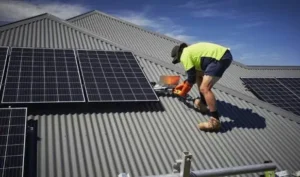
Panels, mounting hardware, wiring, and the inverter are installed and tested.
Final Connection
Once inspections and approvals are complete, the system is connected and ready to generate electricity.
Knowing these steps helps set realistic expectations and reduces unnecessary stress.
Think Beyond the Purchase Price
It’s natural to compare quotes, but the cheapest option isn’t always the best value.
Instead, look at the overall package, including:
- Equipment quality
- Installation experience
- Product warranties
- Workmanship guarantees
- Expected system performance
A slightly higher upfront investment can provide better long-term reliability and lower maintenance costs.
Make the Most of Your Solar Power
After installation, small changes in your daily routine can increase the amount of electricity you use directly from your panels.
For example:
- Run the dishwasher during daylight hours.
- Schedule washing machines and dryers during sunny periods.
- Charge electric vehicles during the day whenever possible.
- Use timers for pool pumps and other large appliances.
Using more of the electricity your panels generate reduces the amount you need to buy from the grid.
Don’t Forget Future Flexibility
Your household may change over the next decade.
Perhaps you’ll purchase an electric vehicle, install air conditioning, add a home office, or welcome more family members. These changes often increase electricity usage.
Planning for future expansion now can save time and money later. Even if you don’t install batteries immediately, choosing equipment that’s compatible with future upgrades can be a smart decision.
Maintenance Is Simpler Than Many People Think
One common misconception is that solar panels require constant attention.
In reality, they’re fairly low maintenance.
Most homeowners simply need to:
- Visually inspect the panels occasionally.
- Remove obvious debris if it’s safe to do so.
- Arrange professional inspections if performance drops noticeably.
- Monitor system output through the inverter or monitoring app.
Rain often removes much of the dust naturally, although homes in particularly dusty areas may benefit from occasional professional cleaning.
Small Planning Decisions Can Deliver Long-Term Benefits
Solar is a long-term investment, often providing benefits for decades. Taking time to assess your roof, understand your energy habits, and plan for future needs can make a significant difference in how satisfied you are with the final result.
A little preparation before installation helps avoid costly surprises later and gives your system the best chance to perform efficiently for many years.
Also Read-Why Businesses Get Better Results When They Act on Their Data