Portable power stations can provide convenient indoor electricity during outages, emergencies, and everyday use when operated correctly. Because they store substantial electrical energy, safe placement, compatible equipment, and careful monitoring matter. Keep the unit dry, provide adequate airflow, and stay within its rated output. Charging connections should remain clean and undamaged, while unusual heat, swelling, odors, or warnings require immediate attention. Never improvise a connection to household wiring. Following the manufacturer’s operating, charging, and storage instructions helps protect the battery, connected appliances, and people using the power station inside the home.
Set Up Your Portable Power Station in a Safe Location
Keep the Unit Dry and Away From Water
Place the portable power station in a dry location where water cannot reach the enclosure, outlets, or charging ports. Keep it away from sinks, showers, wet floors, open windows during rain, and areas vulnerable to plumbing leaks. Never handle electrical connections with wet hands. If the unit becomes wet or submerged, disconnect it only when this can be done safely and follow the manufacturer’s instructions rather than immediately attempting to operate or charge it. A stable, elevated surface can provide additional protection in damp-prone areas. Keeping electrical components dry reduces the risk of short circuits, equipment damage, and electrical hazards.
Allow Airflow and Keep Vents Clear
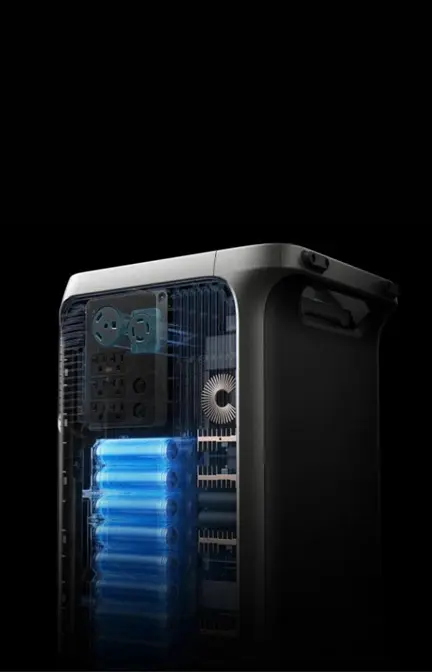
Portable power stations generate heat while charging and supplying electricity, so ventilation openings need adequate clearance. Place the unit on a stable surface and keep vents free from clothing, curtains, bedding, paper, and other materials that could restrict airflow. Do not operate it inside a tightly enclosed cabinet or container unless the manufacturer specifically permits that setup. Check the manual for required clearances and acceptable operating temperatures. Good airflow helps the cooling system manage internal temperature during higher loads or fast charging. It also reduces unnecessary thermal stress on the battery, inverter, and other electronic components during extended indoor operation.
Avoid Direct Sunlight, Heat Sources, and Flammable Materials
Keep the power station away from radiators, fireplaces, heaters, cooking equipment, and other sources of excessive heat. Avoid prolonged direct sunlight through windows, which can raise the unit’s temperature even indoors. Store and operate it away from gasoline, solvents, aerosols, and other flammable materials. Follow the manufacturer’s specified temperature range rather than placing the battery wherever space is available. Excessive heat can stress battery cells and may trigger protective shutdowns. A cool, dry, unobstructed location provides a safer environment for charging, operating, and storing a portable power station.
Prevent Electrical Hazards While Powering Indoor Devices
Stay Within the Rated Output and Surge Limits
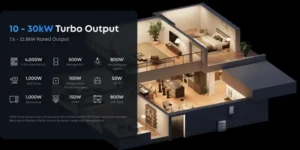
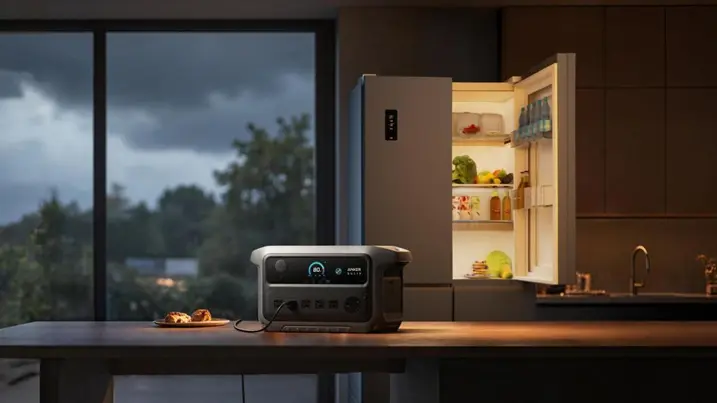
Check continuous output and surge ratings before connecting indoor appliances. Add the running wattage of devices that will operate simultaneously and keep the combined load within the station’s rated limit. Refrigerators and other compressor-driven equipment can briefly require additional power at startup, so confirm surge requirements as well. When researching how many amps does a refrigerator use, check the appliance nameplate or manual for its rated current and voltage rather than relying on a generic figure. Clear power-station specifications make matching loads easier. Staying within published electrical limits helps prevent overload protection from activating and supports reliable operation of connected equipment.
Use Compatible Cables, Chargers, and Appliances
Use cables, adapters, chargers, and accessories approved or specified for the power station whenever required by the manufacturer. Inspect plugs and cords before use, and replace equipment with exposed conductors, loose connectors, damaged insulation, or signs of overheating. Do not force incompatible plugs into ports or use improvised adapters to bypass electrical limits. When connecting an appliance, verify that its voltage, wattage, and connector requirements match the station’s output specifications. Keep cords arranged where they will not be pinched, crushed, or create a tripping hazard. Proper connections reduce electrical risk and help the station deliver power safely to indoor devices.
Never Connect a Power Station Directly to Home Wiring Without Proper Equipment
Never plug a portable power station into a household outlet to energize home circuits unless the system is specifically designed for that purpose and uses approved transfer equipment. Improvised backfeeding can create serious electrical hazards and may energize wiring unexpectedly. If you want a power station to supply selected household circuits, use compatible equipment specified for the system and have any required electrical installation completed according to applicable codes and manufacturer instructions. A qualified electrician can determine the appropriate setup. Otherwise, connect appliances directly to the power station’s designated outlets and remain within its rated limits.
Charge, Monitor, and Store Your Power Station Safely
Follow Safe Charging Practices and Avoid Damaged Connections
Charge the power station only through supported inputs and within the voltage, current, and power limits specified by the manufacturer. Use approved charging cables and inspect connectors before plugging them in. Do not use a damaged cable, loose socket, scorched plug, or connection that becomes unusually hot. Place the station where heat can dissipate while charging, and keep ventilation openings clear. If using compatible solar or vehicle charging, follow the manufacturer’s connection requirements and input limits. Avoid modifying cables or combining charging sources unless the product specifically supports that configuration. Correct charging practices protect the battery and internal charging electronics.
Watch for Excessive Heat, Swelling, Odors, or Warning Messages
Monitor the power station during operation and charging, particularly when supplying demanding appliances. Stop using it if you notice battery swelling, smoke, unusual odors, leaking material, abnormal noises, severe overheating, physical deformation, or persistent warning messages. If there is smoke, fire, or an immediate danger, move away, alert others, and contact emergency services rather than handling the unit. For non-emergency faults, disconnect power when safe and follow the manufacturer’s troubleshooting or service instructions. Do not open the enclosure or attempt battery repairs unless specifically authorized. Early attention to abnormal conditions can prevent a developing equipment problem from becoming more serious.
Shut Down and Store the Battery Correctly After Use
After use, disconnect appliances and charging cables, then shut down the power station according to its operating instructions. Allow the unit to cool before storage if it has been working under a heavy load. Store it in a dry, temperature-controlled location away from direct sunlight, heat, moisture, and flammable materials. Follow the manufacturer’s recommended storage charge level and periodic recharge schedule, since requirements can differ between battery systems. Inspect the station before long-term storage and again before reuse. Proper shutdown and storage help preserve battery health while keeping the equipment prepared for future needs.
Conclusion
Safe indoor use of a portable power station starts with correct placement, sensible load management, and compatible electrical connections. Keep the unit dry and ventilated, protect it from excessive heat, and never exceed continuous or surge output limits. Use undamaged cables and supported charging methods, and never improvise connections to household wiring. During operation, respond promptly to abnormal heat, swelling, odors, smoke, or warning messages. Afterward, shut the station down and store it according to manufacturer guidance. Consistent safety practices protect both the equipment and the people relying on it for backup power.
Also READ
- signs-a-cash-home-sale-could-be-the-best-fit-for-your-property-in-connecticut/
- /buying-a-smith-machine-in-australia-what-actually-matters/
- essential-tips-for-homeowners-facing-storm-damage/