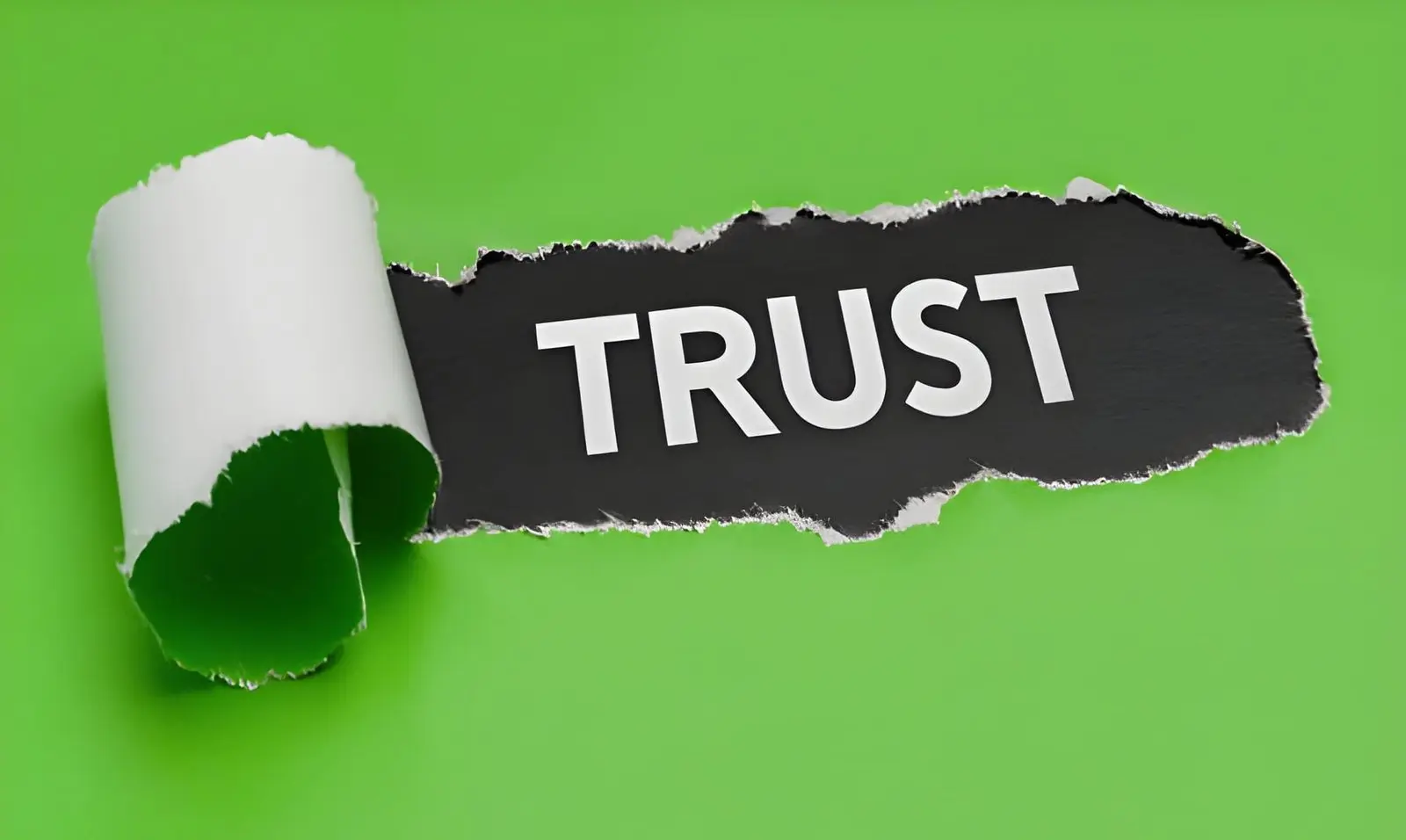
There is a particular kind of exhaustion that comes after a hard season of life. It is not just physical tiredness. It is the quieter fatigue of having doubted your own judgment for so long that trusting yourself again feels almost unfamiliar. Whether the difficult chapter involved illness, loss, addiction, burnout, or simply a long stretch of feeling out of control, the aftermath often leaves behind the same question: how do I trust myself again.
Rebuilding that trust is rarely instant. It tends to happen slowly, through small, repeated proof that you can follow through on what you say you will do. Understanding how that process actually works can make it feel far less overwhelming.
Why Self Trust Erodes During Hard Times
Self trust is built through a simple pattern: you make a commitment to yourself, and you follow through on it. During a difficult chapter, that pattern often breaks down. Promises to change, to stop, to try harder, or to show up differently get made and then broken, sometimes repeatedly. Each broken promise chips away a little more at the belief that you can rely on your own word.
This erosion is not a reflection of character. It is simply what happens when someone is under more pressure than their current resources can handle. Recognizing this distinction matters, because a person rebuilding trust in themselves is not starting from a place of failure. They are starting from a place of accumulated strain that finally needs real support to address.
Small, Consistent Actions Rebuild What Big Promises Cannot
One of the most reliable ways to rebuild self trust is also the least dramatic. Instead of making one large promise, like committing to transform everything at once, trust tends to rebuild through small, specific actions that are actually kept. Getting up at the same time each morning. Attending a scheduled appointment. Making one phone call that felt difficult to make.
None of these actions look impressive from the outside. But each one is a small deposit into the same account that difficult times withdrew from for so long. Over weeks and months, these small deposits add up to something sturdier than a single grand gesture ever could.
The Value of External Structure During This Process
For many people, this rebuilding process moves faster and holds more steadily with some form of external structure in place. Left entirely to internal willpower, it is easy to slip back into old patterns during a difficult week. A structured environment, whether that involves regular medical check ins, scheduled support sessions, or a defined daily routine, provides an outside anchor while the internal sense of trust is still fragile.
Some people find that working with a program offering medically guided structured support during an especially vulnerable period makes the early stages of rebuilding far more manageable, since it removes some of the burden of constant self monitoring while trust is still being restored.
Learning to Separate the Setback From the Self
A major part of rebuilding trust in yourself is learning to interpret setbacks differently. A missed goal or a difficult day does not have to mean the entire effort has failed. It usually just means something in the plan needs adjusting, not that the person attempting it is somehow unreliable at their core.
This distinction, between a setback and a verdict on someone’s character, is often what separates people who keep rebuilding from those who give up entirely after the first sign of difficulty. Treating a setback as information, rather than as proof of failure, keeps the process moving forward instead of collapsing it.
Community as a Mirror for Progress
It is difficult to see your own progress clearly while you are in the middle of it. This is part of why community matters so much during a rebuilding period. Other people, especially those who have been through something similar, can reflect back progress that is otherwise invisible from the inside.
Structured treatment settings often build this kind of reflection into the process intentionally, pairing individual progress with group support so that growth becomes visible through the eyes of people who understand exactly what it took to get there. This external mirror often restores confidence faster than isolated self reflection alone.
What Restored Trust Actually Feels Like
Restored self trust rarely arrives as a single moment of realization. More often, it shows up quietly, in the middle of an ordinary day, when someone notices they followed through on something without even having to think hard about it. A commitment kept without internal negotiation. A hard conversation had without spiraling afterward. A difficult week survived without abandoning the plan altogether.
These moments accumulate slowly, and at some point, without any dramatic announcement, a person realizes they trust themselves again. Not perfectly, and not without the memory of the difficult chapter behind them, but enough to keep moving forward with a steadier hand.
Conclusion
Rebuilding trust in yourself after a hard season of life is rarely fast, and it is almost never linear. It happens through small, consistent actions, supported by structure and community, and shaped by a willingness to treat setbacks as information rather than failure. What emerges on the other side is not the same person who existed before the difficult chapter began. It is someone quieter, steadier, and considerably more capable of keeping their word to themselves, one ordinary day at a time.
Also Read-How eSignature Workflows Help Businesses Manage Secure Digital Documents